
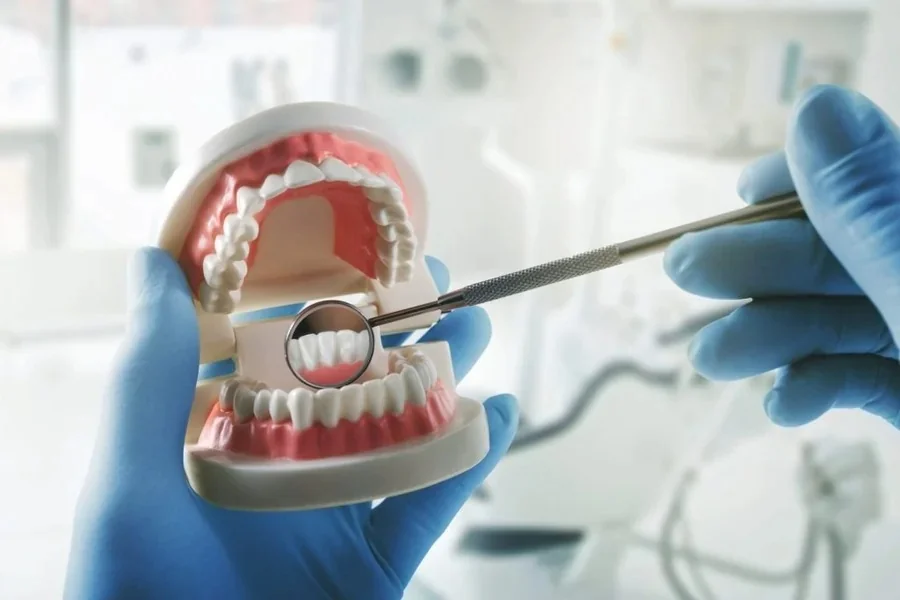
You might feel anxious when visiting your dentist in Denver. You’re not alone. Many share these concerns, especially when it comes to fillings, crowns, and other restorative procedures. Understanding these common dental treatments can ease your worries. Each procedure has a specific purpose. Fillings repair small cavities, while crowns protect weakened teeth. Other restorative methods, like bridges and implants, replace missing teeth. Each option helps maintain your dental health. Your dentist will guide you through these treatments, ensuring you receive the best care. By learning about these procedures, you can make informed decisions. Trust your dentist to restore your smile and maintain oral health. Ignorance breeds fear, but knowledge brings confidence. Restorative procedures are crucial for preserving dental function. Remember, your dentist is your ally in your journey to better health. Understanding these treatments can bring peace of mind. You deserve a healthy, confident smile.
Fillings: Small Repairs, Big Impact
Fillings are one of the most common dental procedures. They fix cavities by filling the hole in a tooth with a special material. This prevents further decay. Fillings can be made of various materials, like amalgam or composite resin. Each material has benefits and limitations. Amalgam is durable but more noticeable. Composite resin blends with your tooth color. Your choice depends on the location and size of the cavity.
Crowns: Strengthening Damaged Teeth
Crowns cover and protect weakened or damaged teeth. They restore function and appearance. Often, crowns are needed after a root canal or when a large filling weakens a tooth. Crowns can be made from porcelain, metal, or a combination. Porcelain offers a natural look, while metal provides strength. Choose based on the tooth’s location and your preference.
Bridges: Filling Gaps
Bridges replace one or more missing teeth. They are anchored by adjacent teeth or implants. Bridges restore chewing ability and prevent other teeth from shifting. Like crowns, bridges can be made from different materials. Discuss options with your dentist to determine the best fit.
Implants: A Permanent Solution
Implants replace missing teeth with artificial roots and crowns. They provide a permanent solution that looks and feels like natural teeth. Implants require surgery but offer long-term benefits. They prevent bone loss and maintain facial structure. For more information on dental implants, visit the National Institute of Dental and Craniofacial Research.
Comparison of Restorative Procedures
| Procedure | Purpose | Material Options | Longevity |
| Fillings | Repair cavities | Amalgam, Composite Resin | 5-15 years |
| Crowns | Protect damaged teeth | Porcelain, Metal, Porcelain-fused-to-metal | 10-15 years |
| Bridges | Replace missing teeth | Porcelain, Metal | 5-15 years |
| Implants | Replace missing teeth | Titanium, Zirconia | 15+ years |
Preparing for Your Appointment
Before any restorative procedure, your dentist will evaluate your oral health. They may take X-rays to assess the condition of your teeth and gums. Be sure to share any dental concerns or goals with your dentist. This helps them tailor a treatment plan that meets your needs. For more guidance on dental care, visit the American Dental Association.
Recovery and Aftercare
Post-procedure care is crucial for recovery and long-term success. Follow your dentist’s instructions carefully. Maintain good oral hygiene and attend regular check-ups. If you experience pain, swelling, or sensitivity, contact your dentist promptly. These could be signs of complications that require attention.
Conclusion
Restorative dental procedures improve function and aesthetics. By understanding fillings, crowns, and other treatments, you can make informed choices. Your dentist is there to support you. Remember, a healthy smile boosts confidence and enhances quality of life. You deserve the best care possible.