
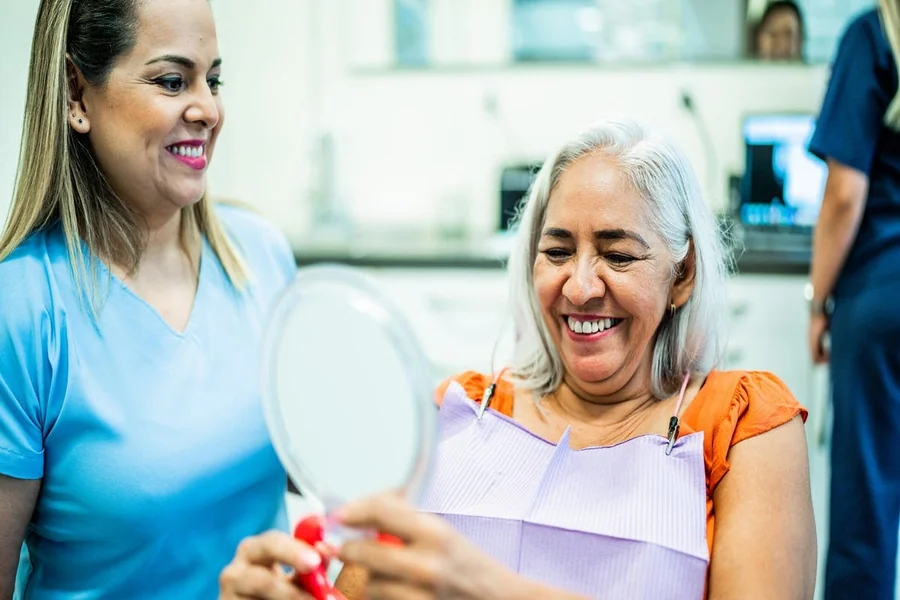
Your oral health journey is important. At a West Des Moines dental clinic, your dentist keeps a watchful eye on changes in your mouth over time. Regular check-ups are key. These visits let your dentist catch small issues before they become big problems. You might wonder how your dentist does this. The answer is simple and involves using consistent observations, comparing past and present records, and listening to your concerns. X-rays, teeth cleanings, and visual exams all play roles in monitoring your oral health. Your dental history gives clues about patterns and potential risks. This process helps maintain your overall health, not just your teeth. By tracking changes, your dentist can provide the care you need when you need it. You can feel confident knowing your dentist is committed to your well-being. Understanding this process empowers you to stay proactive in caring for your mouth.
The Role of Regular Check-Ups
Routine dental visits are crucial. They allow your dentist to inspect your teeth and gums for any changes. During these visits, your dentist checks for cavities, gum disease, and other signs of potential problems. Consistent monitoring means your dentist can address issues early. According to the Centers for Disease Control and Prevention (CDC), early detection is key to preventing severe dental issues.
Using X-Rays for a Closer Look
X-rays are an important tool. They help your dentist see what’s happening below the surface. X-rays can reveal hidden issues like impacted teeth or bone loss. Comparing new X-rays with older ones can show subtle changes. This helps your dentist adjust your care plan to match your needs.
Tracking Changes with Dental Records
Your dental records tell a story. They include notes from past visits, details about treatments, and results from procedures. Dentists use these records to track your oral health journey. By comparing records, dentists look for patterns and predict future issues.
Listening to Your Concerns
Your dentist values your input. Sharing any discomfort or changes you notice is vital. You might feel a new sensitivity, for example. Such feedback helps your dentist tailor your care. Open communication means your dentist can adjust treatments to improve your oral health.
The Link Between Oral Health and Overall Health
Your mouth is linked to your overall health. Problems in your mouth can affect your body. Gum disease, for example, might be linked to heart issues. This connection makes tracking oral changes crucial for your entire health. The National Institute of Dental and Craniofacial Research (NIDCR) emphasizes the importance of oral health in maintaining overall wellness.
Importance of Personalized Care
Every mouth is unique. Personalized care considers your specific needs. Dentists work to create a care plan that fits you. This plan might involve more frequent check-ups or special treatments. Tailoring care ensures better health outcomes.
Comparison: Routine Check-Up Frequency
| Age Group | Suggested Check-Up Frequency |
|---|---|
| Children | Every 6 months |
| Adults | Every 6 months to 1 year |
| Senior Adults | Every 6 months |
Encouragement to Stay Proactive
Taking charge of your oral health is empowering. By understanding the tracking process, you become actively involved in your care. Keep attending your regular appointments and communicate openly with your dentist. This proactive approach ensures you maintain a healthy mouth and body.
Final Thoughts
Your dentist plays a crucial role in monitoring your oral health. Through regular check-ups, X-rays, and open communication, they can track changes over time. This process supports not just your dental health, but your overall well-being too. Embrace the knowledge and care your dentist provides. Staying informed and proactive will lead to a healthier, happier you.