
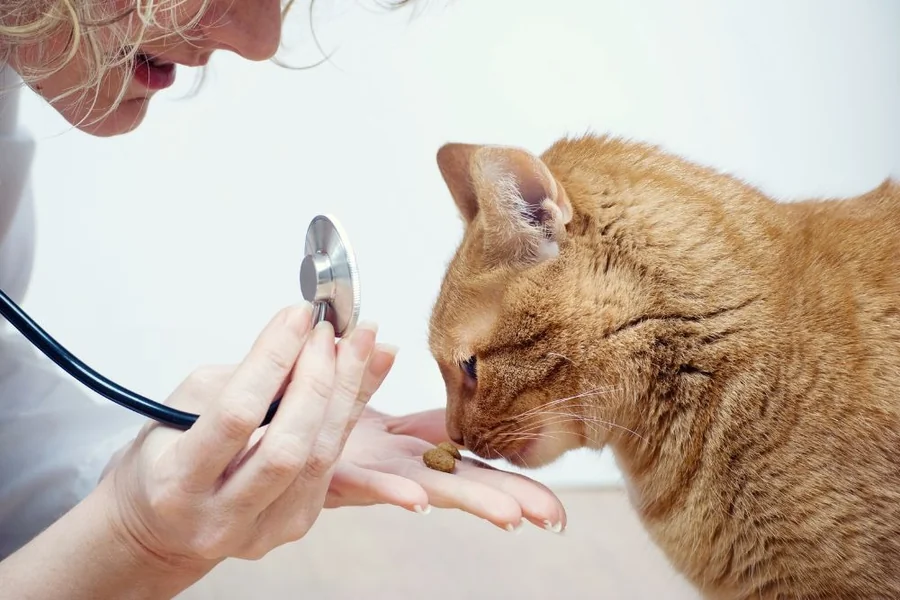
When you bring your pet to the vet, pain management plays a crucial role in caring for them. It is as important as treating any ailment they might have. A veterinarian in Long Beach, CA understands this necessity and prioritizes it during routine check-ups. By addressing pain management early, veterinarians can better support your pet’s health and comfort. Incorporating these protocols into regular visits helps detect problems sooner. This proactive approach allows for prompt pain relief. It also means that your pet can enjoy a better quality of life with less discomfort. Moreover, understanding and recognizing signs of pain ensures that treatments are more effective. When your vet focuses on pain management during every appointment, it adds a layer of care that benefits both you and your pet. As a result, you have peace of mind knowing your pet is in capable hands.
Why Pain Management Matters
Every pet, from the tiniest hamster to the largest dog, experiences pain differently. Recognizing and managing this pain is a crucial component of veterinary care. Pets cannot express their discomfort in human words, making it essential for vets to identify subtle signs of pain. Unmanaged pain can lead to decreased quality of life, slower healing, and behavioral changes. By focusing on pain management, you help in preventing these issues. The aim is to ensure that your pet lives comfortably and happily.
How Vets Identify Pain
Veterinarians use various methods to identify pain in animals. Observing behavior changes is one of the primary techniques. Vets look for signs such as limping, excessive grooming, or changes in appetite. They also perform physical exams to locate pain sources. By using diagnostic tools and attentively listening to your observations, vets form a comprehensive picture of your pet’s health. This approach supports a tailored pain management plan that best suits your pet’s needs.
Pain Management Techniques
Veterinarians apply a range of techniques to manage pain. Some involve medication, while others might include therapies such as acupuncture or physical therapy. Below is a comparison table that outlines common pain management methods:
| Technique | Description | Common Uses |
|---|---|---|
| Medication | Pain relief drugs specifically formulated for animals | Post-surgery, chronic conditions |
| Acupuncture | Use of needles to relieve pain and promote healing | Arthritis, joint issues |
| Physical Therapy | Exercises and movements to strengthen muscles and relieve pain | Rehabilitation, injury recovery |
Benefits of Routine Integration
Integrating pain management into routine visits offers many benefits. It allows for early detection and intervention. Regular monitoring means that any changes in your pet’s condition can be addressed right away. This proactive approach prevents minor issues from becoming major problems. It also builds a consistent record of your pet’s health, aiding in future diagnoses and treatments. A trusted vet, like one in Long Beach, offers peace of mind through knowledgeable and compassionate care.
When to Seek Help
Sometimes, you might notice signs that your pet is in pain outside of routine visits. It’s crucial to seek veterinary help when this occurs. Signs include limping, vocalizing more than usual, or reluctance to move. Prompt attention helps in addressing pain before it escalates. For more guidance on when to seek veterinary care, you can visit the American Veterinary Medical Association.
Partnering with Your Vet
Working closely with your vet helps ensure your pet receives the best care. Open communication is key. Share any concerns or observations you have about your pet’s behavior. Your insights, combined with your vet’s expertise, create an effective plan for managing your pet’s pain. Trusting in this partnership ensures your pet’s comfort and well-being. For more information about effective veterinary care, you may refer to ASPCA’s pet care resources.
Conclusion
Integrating pain management protocols into routine veterinary visits is essential for your pet’s well-being. Recognizing pain early and managing it effectively ensures a happier and healthier life for your pet. By working with your veterinarian, you create a supportive environment that prioritizes your pet’s comfort. With regular check-ups and careful attention to pain management, you safeguard your pet’s quality of life. Trust in this process to ensure your pet enjoys every moment with you, free from unnecessary pain.