
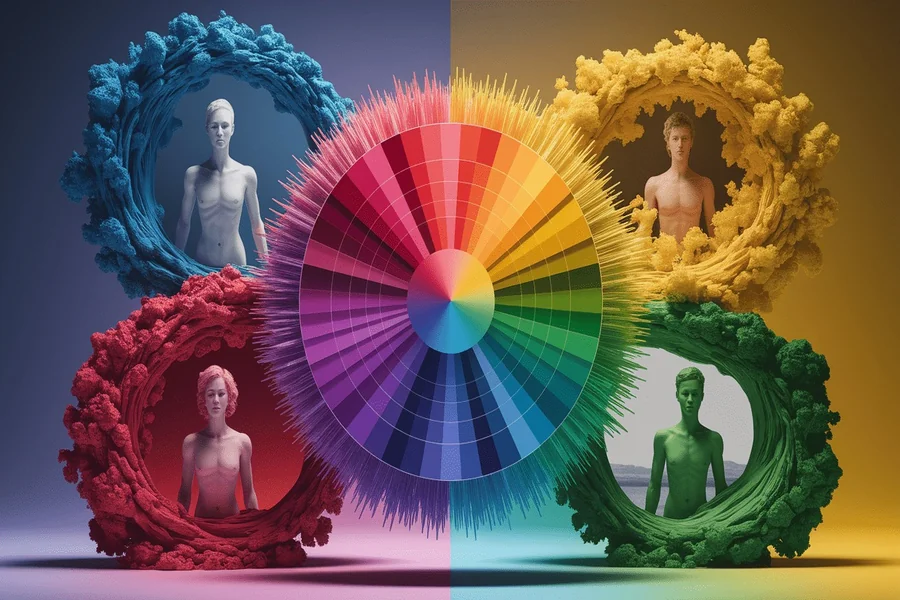
It can be noticed that most people turn to online pastimes for the same reason they return to short poems, calming videos, or quick creative bursts: they want an immediate emotional shift. Modern digital spaces work exactly this way. They rely on visual and audio signals that help the mind settle into a certain mood within seconds. Bright palettes spark curiosity, softer tones support focus, and lively sounds can turn even a short moment of free time into something more engaging.
This emotional responsiveness explains why fast, visually expressive formats have become part of everyday routines. A few minutes on a vibrant platform can refresh attention almost as effectively as a quick walk. The structure is simple: the screen delivers a strong cue, the brain interprets it instantly, and the interaction becomes a small but meaningful pause in a busy day. Games that rely on dynamic visuals and soundscapes fit naturally into this pattern. They create little “emotional pockets” that users return to whenever they need a shift in energy.
Where Color and Rhythm Meet Interaction
When people choose digital pastimes, the same dynamic holds: color, rhythm, and interaction are tightly linked. Many online platforms rely on predictable visual patterns, while others use more playful contrasts that keep the experience lively. You can observe this even in features explained on this website, where color zones and rapid transitions support the feeling of movement without overwhelming the viewer.
Vibrant tones often guide attention toward important elements, and softer gradients help maintain comfort during longer sessions. Meanwhile, sound cues act like subtle markers. A light chime can signal progress; a deeper tone can highlight a change of pace. These sensory touches shape how people interpret each moment of interaction.
It is also evident that rapid formats, including the vibrant approach of Crazy Time, gain traction because they merge these sensory elements with constant activity. The brain does not require lengthy directions; it reacts to familiar structures. Hue establishes the tone, tempo dictates the speed, and participation connects all aspects into a seamless cycle that retains user focus without demanding continuous exertion.
The Rise of Short, Impactful Online Experiences
People keep gravitating toward formats that deliver a full emotional cycle in a very small window of time. A short clip, a quick poem, or a brief interactive moment can shift attention faster than any long-form activity. This preference has become a defining part of modern digital behavior. Users want experiences that fit naturally between tasks, refresh the mind, and don’t require heavy concentration.
Color, sound, and pacing help shape these compact experiences
A few bright visuals or a familiar audio cue can make the interaction feel complete, even when it lasts under a minute. That’s why many online pastimes, including fast-moving games like Crazy Time, feel instantly approachable. They rely on quick transitions, strong contrasts, and clear feedback that guide the user without demanding extra effort. As people build daily routines around short breaks instead of long, uninterrupted sessions, these formats continue to expand. They fill gaps throughout the day and provide a simple way to reset the mind. The appeal comes from clarity: a clear action, a clear response, and a clear emotional effect.
What Makes a Game “Feel Alive”: From Motion to Micro-Reactions
Regarding what lends an electronic experience a feeling of vitality, minor specifics stand out considerably more than major spectacles. Fluid progressions, subtle enlargements, or minute variations in shade foster the perception that the interface is directly acknowledging the individual. These slight responses are understated, yet they mold the whole feeling of the engagement.
Three elements shape this sense of liveliness most clearly:
- Motion that feels continuous: even small rotations or sliding elements create momentum and keep the interaction active.
- Sound cues that respond instantly: a soft click, a rising tone, or an echo after a result make the system feel present rather than mechanical.
- Consistent visual language: colors, shapes, and transitions that behave predictably help the mind settle into the experience without hesitation.
Motion is the foundation. In fast-paced games, this movement becomes part of the expectation: the wheel spins, the lights shift, and the transitions feel continuous rather than abrupt. Crazy Time, for instance, relies on this steady flow to maintain rhythm and keep attention engaged. Sound then reinforces the illusion of life. The moment users hear an audio cue that aligns with an on-screen event, the experience feels more responsive and more personal.
What solidifies this sensation of liveliness is uniformity. When visuals, motion, and audio all correspond, the interplay grows instinctive. The individual needs no clarifications because the apparatus “communicates” via recognized sequences. Over time, these arrangements permit individuals to feel at ease, even in quick-moving settings. They grasp the emotional cadence, and the game develops into a smooth, anticipated associate during brief pauses.
How Individuals Form Their Own Electronic Setting
It has been discovered that everyone constructs a unique digital sphere, even while utilizing the same platforms as others. What seems invigorating to one user might seem overly stimulating to another, which explains why personal modifications hold great significance. People inherently screen material based on disposition and available moments. Some favor bright, active visuals during brief intermissions, whereas others lean toward more tranquil shades when they desire a more serene encounter.
Minor selections define this ambience
Silencing specific noises, modifying chromatic strength on the device, or picking formats that suit current vigor levels can entirely transform how online diversions are perceived. Even inside spirited games like Crazy Time, people tailor their experience by choosing when to engage, the duration of their presence, and the degree of excitement they desire at that juncture.
These inclinations establish a pattern. In time, users ascertain which kinds of material renew their thoughts, which ones aid relaxation, and which ones inject a spirited zest into the day. Rather than viewing digital amusement as something burdensome, they regard it as an adaptable realm that conforms to their affective requirements. This equilibrium transforms online hobbies into a more pleasant custom instead of a source of strain, enabling each person to forge an atmosphere that feels pleasing, controllable, and distinctly their own.