
Creating a well-structured Chart of Accounts transforms financial reporting from a chore into a straightforward task. You navigate financial complexities with ease. Organized accounts provide a clear picture of your finances. They help you make informed decisions quickly. Think of them as your financial map. With a proper setup, you avoid errors and ensure compliance. This approach is especially crucial for small business bookkeeping services in Blaine. They rely on accuracy and clarity to serve clients better. Whether tracking expenses or revenue, a clean Chart of Accounts keeps data organized. It eliminates confusion and makes audits less stressful. You see a direct impact on your business’s health. Better reporting means better strategy. It empowers you to plan effectively. This foundational tool is not just for large corporations. It’s essential for small businesses aiming for growth and stability. Start with a strong Chart of Accounts. You’ll notice the difference in every report.
Understanding the Basics
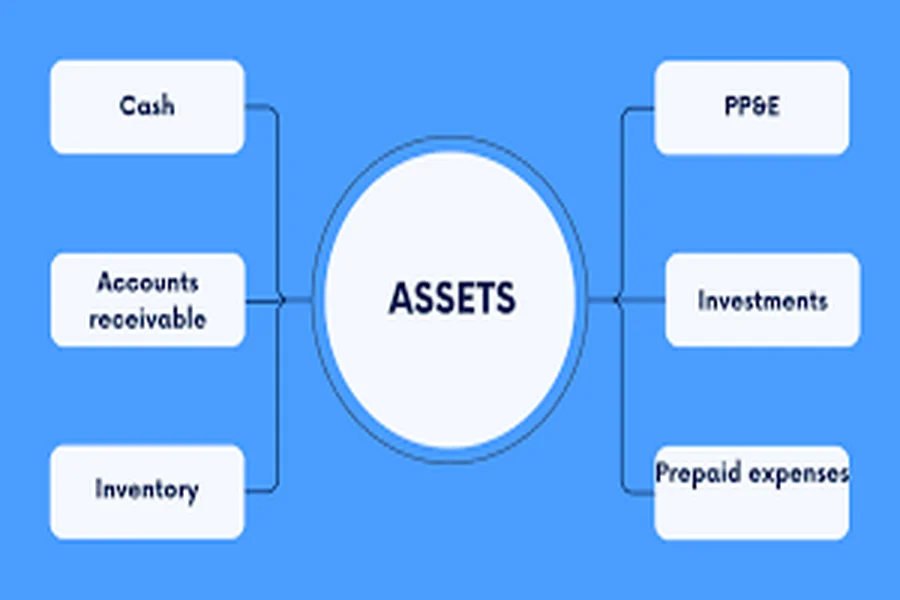
A Chart of Accounts is a list of all accounts in the general ledger, segmented into categories like assets, liabilities, equity, revenue, and expenses. This structure helps you classify every financial transaction. Simplicity is key. A well-organized chart reduces errors and ensures clarity.
Why It Matters
Financial reports depend on accurate data. If you misclassify transactions, your reports become unreliable. A precise Chart of Accounts guarantees data integrity. This leads to better decision-making. You understand financial strengths and weaknesses clearly. For guidance on classification, see the Small Business Administration’s page on accounting basics.
Steps to Create a Proper Chart of Accounts
- Identify Categories: Start with the main categories—assets, liabilities, equity, revenue, and expenses. Break these into subcategories tailored to your business.
- Numbering System: Use a logical numbering system. For example, assets can start from 1000, liabilities from 2000. This makes it easy to locate accounts.
- Consistency: Maintain consistency in naming and structuring. This avoids confusion and makes training staff easier.
- Review Regularly: Periodically review and adjust the chart to reflect business changes. This ensures ongoing relevance and accuracy.
Comparison: Simple vs. Complex Chart of Accounts
| Aspect | Simple Chart | Complex Chart |
|---|---|---|
| User Friendliness | Easy to use | Can be difficult to navigate |
| Setup Time | Quick | Time-consuming |
| Flexibility | Less adaptable | Highly adaptable |
| Error Rate | Low | Higher risk of errors |
Benefits of a Proper Chart of Accounts
A well-constructed chart supports financial transparency. It helps you track financial performance accurately. You can pinpoint inefficiencies and areas for improvement. This insight is vital for growth and sustainability. Additionally, it makes compliance with regulations, such as tax filings, simpler and less daunting.
Examples of Good Practices
- Use straightforward titles for accounts. Avoid abbreviations that might confuse users later.
- Include account descriptions. This provides context for transactions and assists new employees.
- Limit the number of accounts. Too many can overwhelm and complicate the reporting process.
Conclusion
Proper design of your Chart of Accounts is a small investment with significant returns. It simplifies complex financial processes. By prioritizing clarity and organization, you enhance your ability to make informed decisions. This leads to better outcomes for your business. For additional resources, visit the IRS guide on accounting methods. Embrace this straightforward tool and see the positive impact on your financial health.