
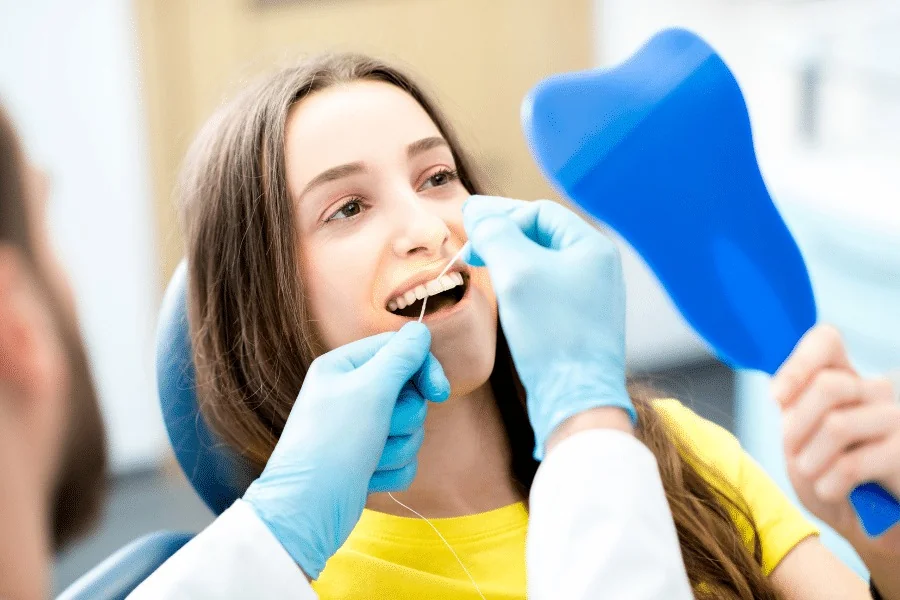
Taking care of your teeth between dental appointments is crucial. You might think that brushing and flossing are enough, but there are other steps you can take. By following a simple routine, you can keep your mouth healthy. Regular visits to your dentist are important, but they aren’t the only time to focus on oral health. Your dentist in Chelsea NYC will notice the difference if you maintain good habits at home. With a bit of effort, you can avoid problems and keep your smile bright. This blog will outline effective tips to ensure your teeth and gums remain in top condition. These habits will not only protect your teeth but will also boost your confidence. You don’t need to be an expert to understand the basics. Let’s get started on the path to a healthier mouth. Your oral health is in your hands, and these tips will guide you.
1. Brush Properly
Brushing your teeth twice each day is a must. But doing it right is just as important. Position your toothbrush at a 45-degree angle to your gums. Use gentle, circular motions. This method is more effective than rough scrubbing. Replace your toothbrush every three to four months. Worn bristles don’t clean well and can harm your gums.
2. Floss Daily
Many skip flossing, but it reaches places your brush can’t. It helps remove food particles and plaque from between your teeth. These can lead to cavities if left unchecked. Be gentle and use a clean section of floss for each tooth. Flossing may feel awkward at first, but it gets easier with practice. Check out the CDC’s tips on flossing for more guidance.
3. Use Mouthwash
Mouthwash can reduce acid in the mouth and clean hard-to-brush areas. Look for rinses that kill bacteria and strengthen teeth. Some also offer fresh breath. Don’t use mouthwash as a replacement for brushing and flossing. Instead, see it as an extra step for better oral health.
4. Limit Sugary and Acidic Foods
Sugar and acid can wear down enamel and lead to decay. Limit snacks and drinks high in these. Opt for water instead of sugary sodas or juices. Chew sugar-free gum to stimulate saliva, which helps protect enamel. If you do indulge, rinse your mouth with water afterward.
5. Drink Plenty of Water
Water is the healthiest drink for your mouth. It keeps your mouth moist and helps wash away food particles. Fluoridated water also aids in protecting teeth from decay. Drinking water can also help neutralize acids after meals. Learn more about the benefits of drinking water from the American Dental Association.
6. Avoid Tobacco
Tobacco products can increase the risk of gum disease and oral cancer. They can also stain teeth and lead to bad breath. Quitting tobacco improves oral health almost immediately. It’s a change that benefits your whole body, not just your mouth.
Comparison of Oral Hygiene Tools
| Tool | Pros | Cons |
|---|---|---|
| Manual Toothbrush | Easy to find and cost-effective | Requires proper technique for best results |
| Electric Toothbrush | Efficient and often easier to use effectively | More expensive and needs battery replacement |
| Traditional Floss | Highly effective and inexpensive | Can be difficult for some to use |
| Water Flosser | Good for people with braces or mobility issues | More costly and less convenient to set up |
Maintaining good oral health between visits to the dentist is within your reach. Consistent effort and dedication to these tips will make a real difference. Remember, small changes can lead to big health improvements. Keep your mouth healthy and your smile bright, and you’ll feel more confident every day. Your commitment to oral health matters, not just for your teeth but for your well-being. Follow these tips, and your next dental visit will likely be smoother.