
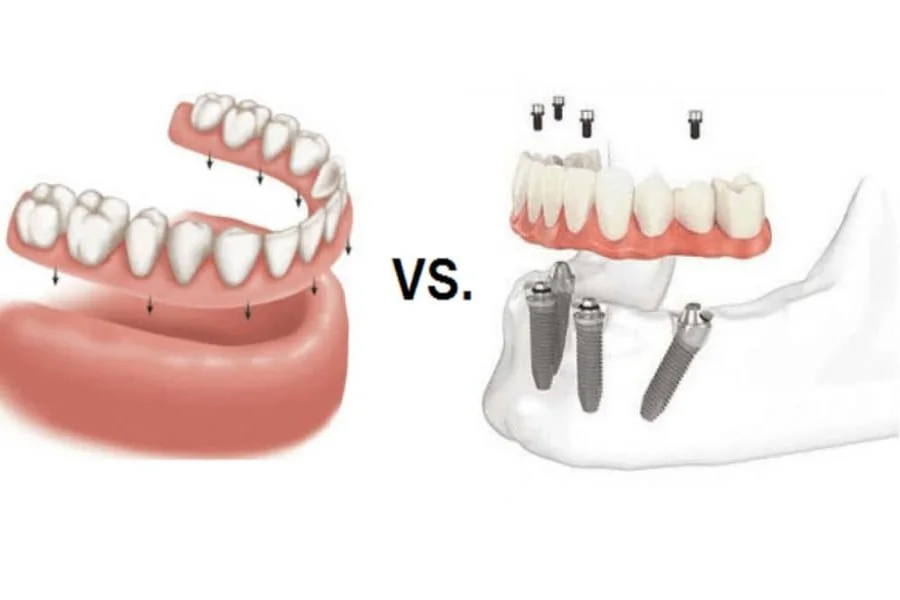
When considering tooth replacement, you face a significant decision. Dentures and dental implants each offer unique benefits and challenges. It’s essential to understand the lifespan of these options to make the best choice for you. Dentures, such as Vanier dentures, provide an affordable option. They are removable and require regular adjustments. While they can last several years, their fit can change due to gum shrinkage. Dental implants, however, are a more permanent solution. They involve surgically placing a metal post in the jawbone. Implants look and feel more like natural teeth. They also help maintain jawbone structure. But, implants require a larger initial investment. Knowing the differences between Vanier dentures and dental implants allows you to weigh the pros and cons effectively. Your comfort, budget, and lifestyle all play a role. Make an informed decision for your oral health. Your smile’s future depends on it.
Understanding Dentures
Dentures have been a reliable choice for many. They provide a non-invasive way to replace missing teeth. They are custom-made to fit your mouth. However, they need maintenance. You must clean them daily to prevent stains and odor. Over time, gums and bones change. This can affect how your dentures fit. You might need adjustments or replacements every 5 to 7 years.
Diving Into Dental Implants
Dental implants offer a different approach. They become a part of your jawbone. This method not only provides stability but also promotes bone health. With proper care, implants can last a lifetime. They require good oral hygiene. Regular dental check-ups are crucial. Unlike dentures, they do not need replacements unless damaged.
Comparing Costs
The cost of dentures and implants varies. Dentures are initially cheaper. But, frequent adjustments can add up. Implants are pricier upfront. However, they require less ongoing maintenance. Think about long-term care costs when deciding.
| Factor | Dentures | Dental Implants |
| Lifespan | 5-7 years | Lifetime with care |
| Stability | Removable | Permanently fixed |
| Cost | Lower initial cost | Higher initial cost |
| Maintenance | Daily cleaning, regular adjustments | Regular hygiene, dental visits |
Potential Risks and Considerations
Each option comes with risks. Dentures may slip during eating or speaking. Implants require surgery. This involves recovery time and potential complications. Gum health is crucial for both choices. Poor gum health can lead to discomfort or implant failure.
Making the Right Choice
Your decision depends on several factors. Consider your comfort level. Think about how much maintenance you can manage. Also, assess your financial situation. It’s wise to consult with a dental professional. They can evaluate your oral health and guide your decision.
To learn more about dental health and options, visit the National Institute of Dental and Craniofacial Research or check out information from the American Dental Association. These resources provide valuable insights.
Final Thoughts
Tooth replacement is a personal journey. Understanding the lifespan and needs of dentures and implants helps you choose wisely. Maintain good oral hygiene regardless of your choice. Regular check-ups with your dentist are essential. Prioritize your oral health. Your decision impacts your quality of life. Choose what suits your needs best. Your confidence and comfort matter most.