
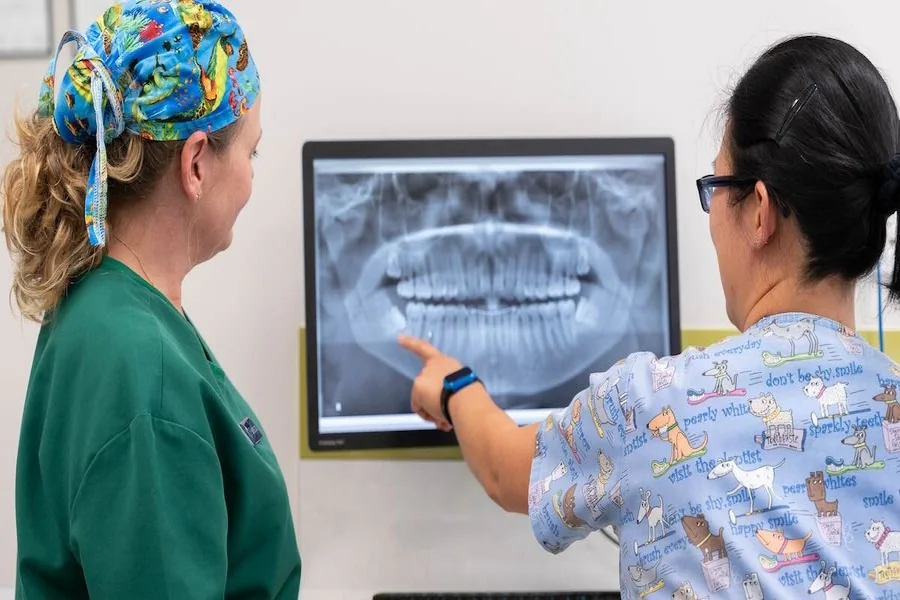
You might feel anxious about dental visits. But understanding each step can calm those worries. One key part of a dental checkup is the X-ray. X-rays help your dentist see beneath the surface. They reveal what the naked eye cannot. You might wonder why this is crucial. X-rays catch issues early. Cavities, infections, and bone loss are easier to treat when found sooner. You avoid more complex treatments later. Your Tawas dentist uses X-rays to give you an accurate diagnosis. This ensures you get the right care every time. It might feel intimidating to hear about radiation. But modern X-rays use minimal exposure. They are safe and quick. This technology has transformed dental care. You gain peace of mind knowing your dental health is monitored closely. Regular checkups with X-rays support long-term oral health. You stay on track for a healthier smile without the need for extensive treatments.
Why Are X-Rays Essential?
X-rays play a vital role in spotting hidden dental problems. They uncover issues that could lead to larger problems if left untreated. Dental X-rays detect cavities between teeth, monitor bone loss due to gum disease, and assess the condition of developing teeth. This ensures your dentist can plan precise treatments. According to the American Dental Association, these images are crucial for a full understanding of your oral health.
Types of Dental X-Rays
Not all X-rays are alike. Different types serve different purposes. Here are three primary kinds:
- Bitewing X-Rays: These show the upper and lower back teeth in a single view. They are essential for spotting decay between teeth.
- Periapical X-Rays: These focus on one or two teeth at a time. They reveal the entire tooth, from the crown to beyond the root.
- Panoramic X-Rays: These provide a broad view of your entire mouth. Dentists use them to monitor jaw issues and plan treatments like braces.
The Safety of Dental X-Rays
Concerns about radiation can cause worry. It is important to understand that dental X-rays use very low radiation levels. They are designed to minimize exposure. Protective measures like lead aprons and thyroid collars add extra safety. According to the U.S. Food and Drug Administration, routine dental X-rays pose no significant risk when performed correctly.
Understanding X-Ray Frequency
How often should you get dental X-rays? It depends on your individual health needs. Some people require X-rays every six months, while others might need them less frequently. Factors like age, risk of dental disease, and symptoms determine frequency. Your dentist will assess your needs to ensure your dental health is always a priority.
Comparing X-Ray Benefits
| Type of X-Ray | Purpose | Benefits |
|---|---|---|
| Bitewing | Detect cavities between teeth | Early detection of decay |
| Periapical | Examine entire tooth structure | Identify root issues, infections |
| Panoramic | View the entire mouth | Assess jaw health, plan orthodontic work |
How to Prepare for a Dental X-Ray
Before an X-ray, you might be asked to remove jewelry or eyewear. You will wear a protective apron to shield your body. The process is quick and painless. Your dentist will guide you throughout, ensuring your comfort.
Conclusion
X-rays are a key part of maintaining healthy teeth and gums. They provide essential information that helps in preventing and treating dental issues early. By including X-rays in your routine dental checkups, you are investing in a healthier future for your mouth. Regular dental visits and open communication with your dentist will ensure your smile remains bright.