
Owning a pet is a commitment filled with joy and responsibility. While daily care is important, you must not ignore annual wellness exams. Routine check-ups at an animal clinic in Silver Spring can reveal issues that aren’t obvious at home. Your beloved pet relies on you to spot the signs of illness. These exams catch health concerns early, often leading to simpler treatments. During these visits, veterinarians provide insights on nutrition and daily habits. They also update necessary vaccinations. This proactive approach keeps your pet active and comfortable. Pets can’t voice discomfort, so you play a crucial role in their health. Skipping an annual exam may lead to overlooked problems that could worsen. Trust the process. A yearly check-up ensures many more happy moments with your furry friend. This simple step could be the difference between a minor issue and a major health battle. Your pet’s wellness depends on your vigilance.
The Importance of Early Detection
Your pet can’t tell you when something feels off. Regular wellness exams detect conditions before they become serious. Vets can find issues like dental disease, obesity, and even early signs of heart conditions. According to the American Veterinary Medical Association, early diagnosis often leads to more effective treatments. It can also save you from costly procedures. Ignoring annual exams risks your pet’s health and may result in longer, more complex treatments.
What to Expect During an Exam
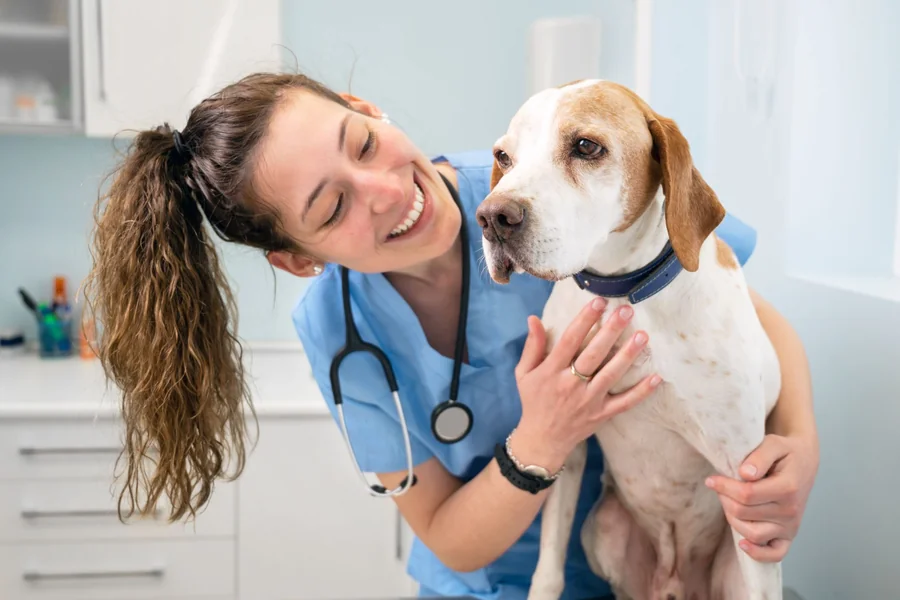
During an exam, the vet conducts a thorough physical assessment. They check your pet’s weight, eyes, ears, and mouth. The vet listens to the heart and lungs and examines the skin and coat. They may recommend blood tests or X-rays based on initial findings. Regular screenings help track health changes over time. Each exam provides a snapshot of your pet’s overall health, ensuring they stay on the right track.
Comparing Routine Care to Emergency Care
| Aspect | Routine Care | Emergency Care |
|---|---|---|
| Cost | Predictable and lower | Unpredictable and higher |
| Stress Level | Lower for pets and owners | Higher for pets and owners |
| Health Outcome | Prevention and maintenance | Urgent and reactive |
The Role of Vaccinations
Vaccinations protect pets from severe diseases. These are critical parts of an annual exam. Vets assess which shots your pet needs based on age, lifestyle, and risk factors. Keeping vaccinations up-to-date prevents outbreaks and ensures community safety. The Centers for Disease Control and Prevention highlights the importance of vaccines in managing public health. Consistent veterinary visits ensure your pet remains protected against potential threats.
Nutritional Guidance and Weight Management
Diet influences your pet’s health. During wellness exams, vets offer nutritional advice tailored to your pet’s needs. Overfeeding or feeding inappropriate food can lead to obesity and related health issues. Maintaining a balanced diet keeps your pet active and joyful. Vets can help you make informed choices about food, portion sizes, and feeding schedules. A healthy weight promotes longevity and quality of life for your pet.
The Emotional Bond and Quality of Life
Your pet is part of your family. Regular wellness exams are an expression of care and love. They enhance your pet’s quality of life by addressing both physical and emotional needs. Healthy pets remain active and engaged in family activities. The mutual bond grows through shared experiences, underlined by your commitment to their well-being.
Conclusion
Annual wellness exams are simple, crucial actions you can take. They ensure better health outcomes for your pet and provide peace of mind for you. Choose consistency and care by scheduling regular check-ups at your local clinic. By investing in these exams, you safeguard your pet’s future, helping them lead a longer, happier life by your side.