
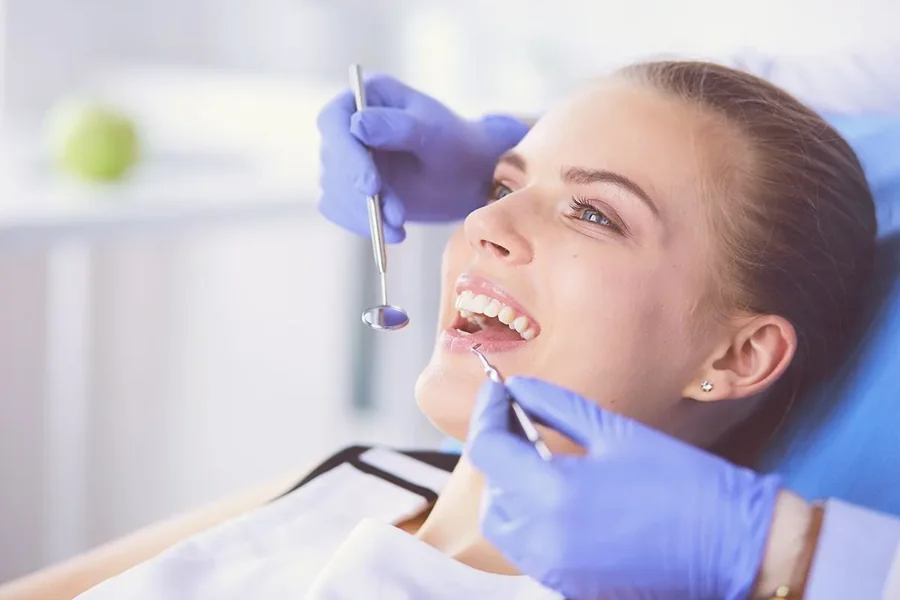
Oral pain can disrupt your life. It often signals underlying issues that need attention. Preventive dentistry plays a key role in reducing this pain. You can avoid discomfort and costly treatments by prioritizing routine check-ups. These check-ups with your family dentist in Waseca, MN help to spot problems before they escalate. Early detection prevents cavities, gum disease, and other conditions. You gain peace of mind along with a healthier smile. Regular cleanings remove plaque and tartar that brushing alone can’t tackle. Moreover, preventive care includes guidance on effective home care practices. This guidance helps you maintain oral health between visits. By investing in preventive dentistry, you minimize the risk of pain that can affect eating, speaking, and sleeping. You deserve a pain-free life, and taking proactive steps with your dentist ensures it. Understanding the importance of preventive care leads to a healthier, more comfortable future for your mouth.
Understanding Preventive Dentistry
Preventive dentistry isn’t just about what happens in the dentist’s chair. It’s a holistic approach to oral health that includes your daily habits. Brushing and flossing are fundamental parts of this process. They help prevent plaque build-up, which can lead to cavities and gum disease. Regular check-ups and cleanings ensure these efforts are effective.
The Benefits of Preventive Dentistry
Preventive dentistry offers numerous benefits that enhance your life quality. First, it saves you money. By addressing issues early, you avoid complex treatments that often come with high costs. Second, it saves time. Routine visits are quick compared to lengthy procedures needed for advanced dental problems. Lastly, it ensures better health. According to the Centers for Disease Control and Prevention (CDC), good oral health is linked to overall well-being. Regular dental visits are part of maintaining this health.
Common Preventive Procedures
- Examinations: Regular exams help identify issues before they become serious.
- Cleanings: Professional cleanings remove plaque build-up you can’t reach at home.
- Fluoride Treatments: These strengthen teeth and prevent decay in children and adults.
Comparing Preventive and Reactive Care
The importance of preventive care becomes clear when compared to reactive care. Let’s look at this comparison:
| Aspect | Preventive Care | Reactive Care |
| Purpose | To prevent issues | To address existing problems |
| Cost | Generally lower | Higher due to complex treatments |
| Time | Less time-consuming | Time-intensive |
| Health Impact | Promotes overall well-being | May have negative impacts if issues worsen |
How to Make Preventive Care a Habit
Establishing a preventive care routine doesn’t have to be hard. Consider these simple steps:
- Schedule regular check-ups. Make appointments ahead of time to ensure consistency.
- Brush and floss daily. Use fluoride toothpaste and replace brushes every three months.
- Eat a balanced diet. Limit sugar intake to prevent decay.
Conclusion
Preventive dentistry is a cornerstone of good oral health. It helps reduce oral pain by addressing potential issues before they become serious. By engaging in regular check-ups, cleanings, and good home care, you protect your mouth from unnecessary pain and complications. This care is not only about immediate benefits but also about long-term wellness. The steps you take now lead to a healthier, pain-free future. For more detailed guidance, visit the American Dental Association. Remember, a small effort today can prevent big problems tomorrow.