
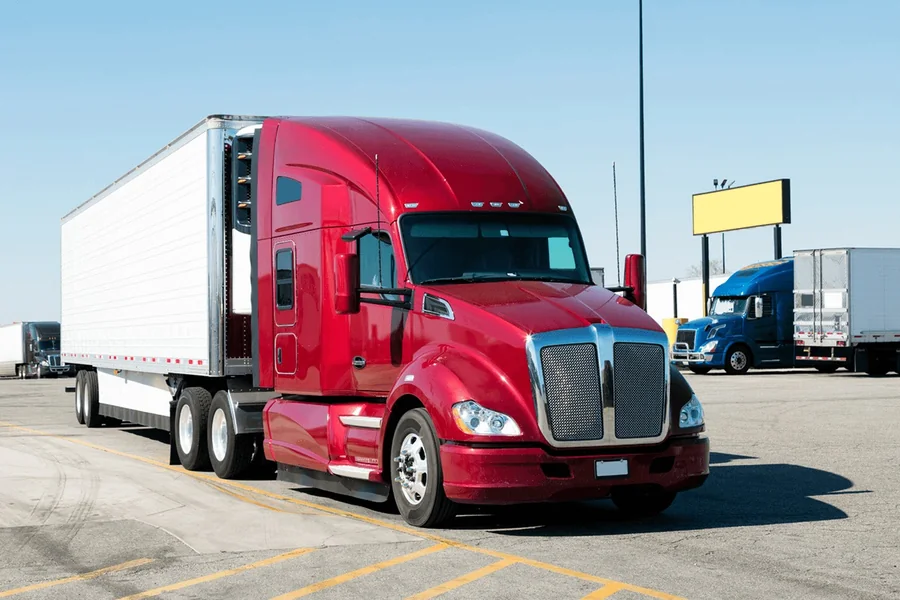
Truck collisions can rattle a person to their core. One second the road is serene, and the next minute, a huge rig has drifted out of its lane. Most victims start with, “How in the world did this happen to me?” And in most situations, the answer refers back to the transportation company. More than a few trucks on the roads of Texas have been operated by individuals that should have never been behind the wheel. This becomes evident when a principle of law called negligent hire emerges. Houston based attorneys see these types of claims on a regular basis, and they know how to convince a jury that a transportation company was negligent in the hiring process. This is not speculation, it is a mix of record-keeping, safety regulations, and common sense. In the following paragraph we will go through the process together step by step and in a voice that is identifying and comfortable in pace.
Why Negligent Hiring Shows Up So Often
Trucking companies move quickly because freight moves quickly. Deadlines push people hard. When a company feels behind, it may rush the hiring process or skip steps. And you know what? One skipped step can turn into a crash that changes a life. Federal law requires companies to check a new driver’s background. They also have to pull driving records, check medical forms, and review training logs. When they don’t, they put every driver around that truck at risk. A lawyer’s job is to expose those shortcuts and help in the legal process. Sometimes the “shortcut” is obvious, like hiring someone with a suspended license. Other times, it’s hidden deep in piles of paperwork. But every trail leaves clues.
How Lawyers Build the Case (Without Making It Complicated)
Let me explain how attorneys peel back the layers. The key is to keep it simple even when the rules feel stacked with technical terms.
1. They pull the driver’s files
Every trucking company must keep a “driver qualification file.” It sounds formal because it is. This file includes:
- Driving history
- Drug test results
- Medical fitness papers
- Training and performance notes
If anything is missing or looks rushed, that’s a sign the company skipped steps.
2. They check past employer records
A lawyer will go back to previous trucking jobs. If the driver had warnings, safety issues, or drug test failures, the new company should’ve known. A simple phone call could’ve revealed the truth.
3. They compare the hiring steps with federal rules
This part is more technical, but lawyers explain it in plain English. The Federal Motor Carrier Safety Administration (FMCSA) lists the steps companies must follow before hiring a driver. A lawyer may say:
“Look, the company didn’t run the background check they were supposed to run.”
Straight facts. No fancy words needed.
4. They pull ELD and logbook data
Electronic logging devices (ELDs) help track a driver’s hours. If a new hire already shows signs of rule-breaking, that matters. It hints the company didn’t look at the driver’s past habits closely—or didn’t care.
5. They bring in experts who know trucking from the inside
Sometimes an expert shows the jury why the company’s hiring process was sloppy. People who work inside the trucking industry can spot mistakes most folks would miss. This mix of records and expert insight helps paint a picture. And that picture often shows a company that made choices that hurt someone.
“But Why Didn’t They Catch It?” — The Question Every Juror Asks
People in Houston—jurors, judges, everyone—tend to ask the same question:
If this driver was unsafe, why did the company hire them? And honestly, the answer is often money. Some companies need drivers fast. They may skip background checks because they think no one will notice. They may hire someone who failed drug tests or had several wrecks because they want the truck running today, not next week. But hiring someone without checking their past can backfire in a huge way. Lawyers help jurors see that this crash wasn’t random. It came from a decision made long before the truck hit the road.
Negligent Hiring vs. Negligent Training vs. Negligent Supervision
These terms sound similar, but each one tells its own story:
- Negligent hiring means the company brought in someone who was unsafe from day one.
- Negligent training means the driver didn’t get the skills they needed.
- Negligent supervision means the company didn’t check on the driver or correct unsafe behavior.
Most cases involve more than one. A company that hires poorly tends to train poorly too. It’s like trying to patch a leaking roof with tape—it just doesn’t hold.
Real Signs a Houston Lawyer Looks For
Here are red flags lawyers often uncover:
- A driver with a DUI passed through hiring with no questions.
- Missing drug test results in the file.
- No record of a road test before hiring.
- Drivers trained only through short videos or outdated manuals.
- A company ignoring medical warnings that said the driver wasn’t fit.
- Repeated traffic stops or safety violations before the crash.
These aren’t tiny errors. These are signs a company knew—or should’ve known—that the driver was unsafe.
Why These Cases Matter So Much
Truck crashes are different from small fender-benders. A fully loaded rig can weigh 80,000 pounds. When it hits a car, the damage can be devastating. Victims deal with surgeries, lost income, and long recovery plans. Sometimes a person doesn’t ever get back to how they were before. Holding a trucking company accountable doesn’t just help one victim. It pushes the company to fix problems before another family gets hurt. You might hear lawyers talk about “changing safety culture,” but really, it’s about stopping the next crash.
A Quick Digression: Why Hiring Matters More Today
Truck drivers face pressure from tight delivery windows, GPS tracking, and long hours on the road. Even a good driver feels worn down at times. A bad driver? They crumble faster. So when companies hire drivers who already show unsafe habits, it’s asking for trouble. Houston roads stay busy year-round, with storms, traffic jams, and road work everywhere. A poor hire becomes a danger to everyone.
Connecting the Dots in Court
Lawyers don’t just throw documents at a jury. They tell a story, piece by piece:
- When the company hired the driver
- What rules they ignored
- What they should’ve done
- How skipping that step led to the crash
It’s a simple chain. And once you see the chain, it’s hard to unsee it.
A lawyer might say:
“If the company had checked the driver’s past, they would’ve found the red flags. They didn’t. And this crash followed.” It resonates because it’s true.
Damages a Victim May Recover
Victims of negligent hiring cases may seek:
- Medical bills
- Long-term treatment
- Lost wages
- Pain and emotional distress
- Loss of ability to work
- Family-related losses (caregiving help, home adjustments, and more)
If the company’s actions were grossly careless, a court may allow punitive damages too. These damages often show up when the hiring decision was clearly reckless.
When to Call a Lawyer
If someone suspects negligent hiring played a part in their crash, they shouldn’t wait. Evidence can vanish fast. Driver files get updated. Companies “misplace” documents. A lawyer steps in early to freeze the evidence and start their review. Consult with Schechter, Shaffer & Harris, LLP – Accident & Injury Attorneys as soon as possible. They will help you through the process.
FAQs
1. What counts as negligent hiring in a truck accident case?
It means the company hired a driver they knew—or should’ve known—was unsafe. It could be past crashes, drug use, a bad driving record, or missing training.
2. How do lawyers prove a trucking company skipped steps?
They pull hiring files, compare them to federal rules, and show what’s missing. They may bring in experts to explain why those steps mattered.
3. Can I sue the trucking company even if the driver made the mistake?
Yes. If the company hired an unsafe driver, both the driver and the company may be responsible.
4. What if the company destroyed records?
Lawyers can request backups, call former employers, or use federal databases. If a company hides evidence, that often hurts them in court.
5. Do negligent hiring cases pay more than standard accident claims?
Often, yes. When a company’s conduct was reckless, a jury may award higher damages, including punitive damages.