
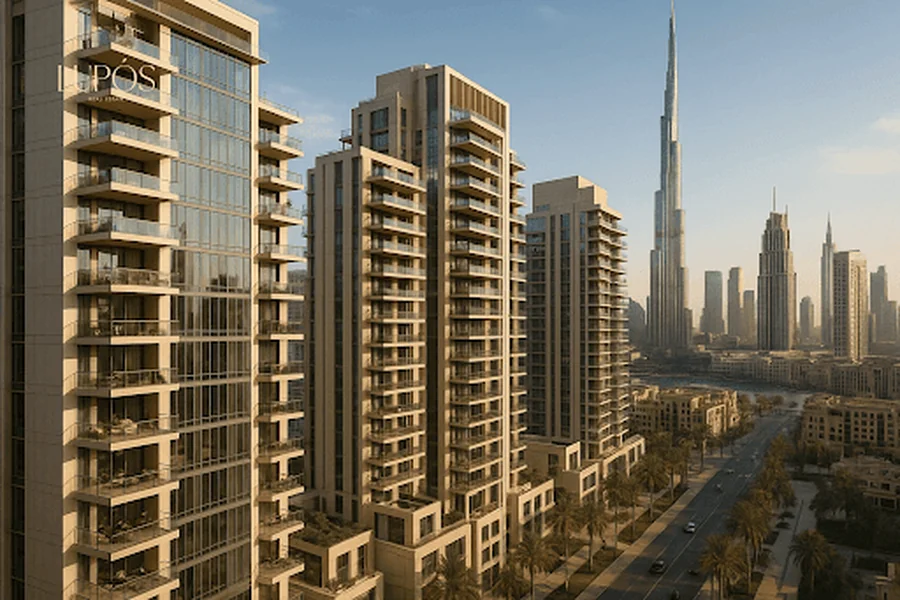
Dubai’s dynamic property market experiences fluctuations that significantly impact pricing across different locations and property types. Understanding current market trends is essential for making informed purchase decisions and avoiding overpriced properties. Dubai’s Real Estate market is influenced by economic conditions, government policies, infrastructure development, and international investment flows.
Comparative Market Analysis (CMA) and Recent Sales
Conducting thorough comparative market analysis forms the foundation of accurate property valuation. This process involves examining recent sale transactions of similar properties within the same area to establish baseline pricing expectations.
Key CMA factors include:
- Recent Sale Prices. Properties sold within the last 3-6 months in the same building or nearby developments.
- Property Specifications. Square footage, bedroom count, floor level, and amenities comparison.
- Market Timing. Seasonal variations and market cycle positioning affecting recent transactions.
Professional real estate agents typically provide CMA reports, but independent research through property portals offers additional verification. Significant price deviations above comparable sales often indicate overpricing when property features and conditions are similar.
Assessing Location and Surrounding Infrastructure
Location premium substantially impacts Dubai property pricing, but excessive location-based pricing can signal overvaluation. Prime locations command higher prices, yet buyers must evaluate whether premium charges align with actual location benefits and infrastructure quality.
Transportation accessibility, proximity to business districts, shopping centers, schools, and healthcare facilities directly influence property values. Properties priced significantly above comparable units in similar locations may indicate inflated pricing strategies rather than genuine location advantages.
Evaluating Property Condition and Features
Property condition and feature quality must justify asking prices to avoid overpaying for substandard units. Buyers should assess whether property features, finishes, and overall condition support the requested price level compared to market alternatives.
Critical evaluation areas:
- Interior Condition. Flooring, fixtures, appliances, and overall maintenance standards.
- Building Amenities. Gym, pool, parking, security systems, and common area quality.
- View and Orientation. Premium charges for sea, city, or landmark views should reflect actual view quality.
Properties with basic features priced at premium levels often indicate overpricing, particularly when comparable units offer superior specifications at similar price points.
Rental Yield as a Pricing Indicator
Rental yield analysis provides objective insight into property value and pricing reasonableness. Dubai’s competitive rental market establishes clear yield expectations across different property types and locations, making yield calculations valuable pricing indicators.
Standard Dubai rental yields range from 4-8% annually depending on location and property type. Properties generating significantly lower yields may indicate overpricing, while higher yields suggest competitive pricing. Buyers should calculate potential rental income against purchase price to assess investment viability.

Developer Reputation and Market Position
Developer reputation significantly influences property pricing, but premium charges must reflect genuine quality differences rather than brand positioning alone. Established developers typically command higher prices due to construction quality and delivery standards.
Excessive price premiums without corresponding quality improvements often indicate overpricing. Buyers should research developer track records and current market positioning to determine whether price premiums are justified by actual value delivery.
Red Flags and Common Pitfalls
Several warning signs indicate potentially overpriced properties that buyers should recognize during property evaluation.
Common overpricing indicators:
- Unrealistic Price Increases. Sudden price jumps without market justification or property improvements.
- Extended Marketing Periods. Properties remaining unsold for extended periods despite market activity.
- Inflated Feature Claims. Exaggerated amenity or location benefits that do not match actual conditions.
Additional red flags include pressure sales tactics, reluctance to provide comparable market data, and pricing significantly above recent area transactions without clear justification.
Checklist for Identifying Overpriced Properties
Systematic evaluation using standardized criteria helps buyers identify overpriced properties and make informed purchase decisions. Property evaluation should include price comparison with recent sales, location assessment relative to pricing premium, condition evaluation against asking price, and rental yield calculation.
Buyers should verify property documentation, assess financing implications, and consider long-term value prospects when evaluating pricing reasonableness. Properties failing multiple evaluation criteria often indicate overpricing and should be approached with caution.
Conclusion: Making an Informed Purchase Decision
Spotting overpriced properties in Dubai requires systematic analysis combining market knowledge, comparative research, and objective evaluation criteria. Successful buyers understand that premium pricing must be supported by genuine value delivery through location advantages, superior condition, or exceptional features.
The Dubai property market offers excellent investment opportunities, but careful analysis prevents overpaying and ensures sound investment decisions. By applying comprehensive evaluation methods and maintaining realistic price expectations, buyers can identify fairly priced properties that offer genuine value and long-term appreciation potential.