
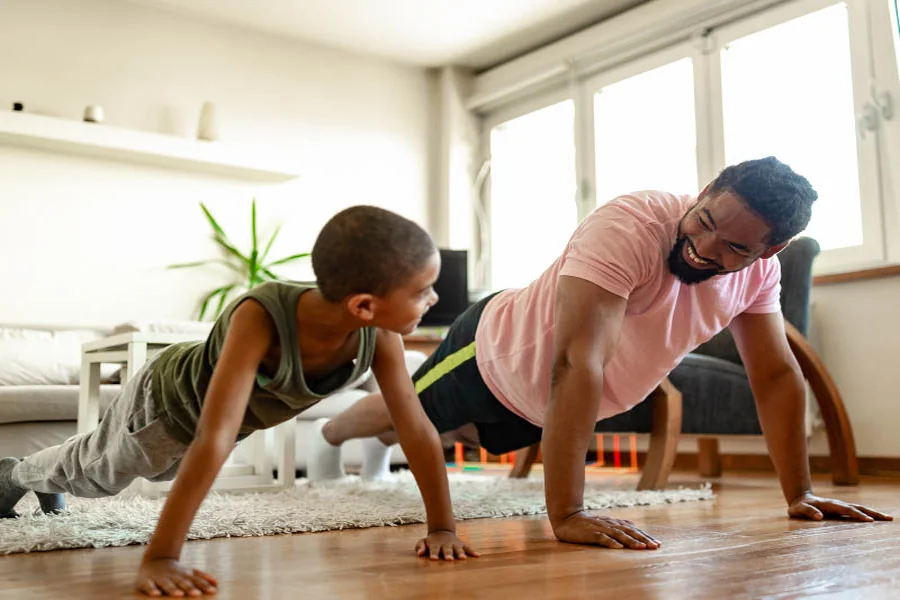
Kids thrive when movement feels like fun, not a job. Whether they’re running around a field or trying a new sport, staying active should be about building confidence and enjoying their bodies, not hitting stats or winning medals. That’s why it’s so important to strike a healthy balance early on, especially for kids who love sports and might start taking it more seriously.
So, how do you support a young athlete without turning up the pressure? Here’s how to keep things grounded, joyful, and healthy for everyone involved.
Keep It Fun, Or They’ll Quit
The number one reason kids stop playing sports? It stops being fun. Games turn into performance reviews, and practices feel like drills instead of play. If your child is starting to dread their weekly training, that’s a red flag. They need space to mess up, laugh, and enjoy what they’re doing—even if that means switching things up now and then.
Try rotating sports during the year. It gives their bodies a break and helps prevent burnout. Plus, they’ll develop a wider range of physical skills, which can actually help them in their preferred sport later on.
Watch For Signs Of Overtraining
Just because your kid says they’re fine doesn’t mean they are. Many children want to impress coaches, parents, or even themselves, and they’ll keep going long after they should’ve rested. Look out for signs like irritability, constant fatigue, sleep issues, or even a sudden drop in school performance. These can be signs they’re doing too much.
Rest days aren’t lazy days—they’re essential. One or two full days off each week can help their bodies recover and stay strong. Encourage low-pressure movement on those days, like swimming for fun or going for a walk with the dog.
Nutrition Matters More Than You Think
Kids need fuel. That means real meals, snacks that pack a punch, and lots of hydration. Don’t fall into the trap of thinking “healthy” means low-calorie. Young athletes often need more food than their peers, especially when they’re training frequently.
Make sure they’re eating enough protein, getting carbs for energy, and not skipping meals. A good rule of thumb? If they’re always hungry or their mood swings are through the roof, it might be time to check their diet.
Let Coaches Coach—Your Job Is Different
It’s tempting to become your child’s unofficial coach. But that usually doesn’t end well. Kids need their parents to be their support system, not a second source of pressure. Ask questions, show interest, and cheer them on—but don’t try to run the show.
If you’re noticing that your child is struggling with motivation or is unsure if their current training is age-appropriate, consider looking into programs that specialise in Young Athlete Development. These kinds of services can help strike the right balance between skill-building and emotional support.
Mental Health Matters, Even On The Field
Pressure doesn’t just affect the body. Anxiety, perfectionism, and low self-esteem can sneak in when everything starts to feel too serious. Encourage open conversations about how they feel before and after games or practices. Normalize things like nerves or disappointment, and celebrate effort more than outcomes.
Sometimes it helps to talk to someone outside the family or team. A counselor or sports psychologist who works with kids can make a huge difference in how they handle the ups and downs of being active and competitive.
Make Room For Other Interests
Even if your child is passionate about a sport, they’re still growing—and not just physically. Help them explore hobbies outside of athletics, whether it’s drawing, music, gaming, or hanging out with friends. It keeps their world bigger and gives them other outlets for stress, creativity, and fun.
Being well-rounded isn’t a backup plan; it’s how they stay grounded while chasing their goals.
Know How To Handle Setbacks
Every young athlete faces a bump in the road—whether it’s injury, a tough season, or simply losing interest. What matters is how those moments are handled. Teach them to view setbacks as temporary, not defining. And avoid turning disappointments into drama. Sometimes, just being there, listening, and showing faith in their resilience is enough.
This is also when you’ll want to revisit how to support your child through sports setbacks, especially if things have felt emotionally intense. There are great strategies out there for navigating these moments calmly and with care.
Final Thoughts
The goal isn’t to raise a champion—it’s to raise a healthy, happy human who loves to move. Competitive dreams can be part of that, but they shouldn’t be the whole story. Stay focused on the joy, connection, and growth that sports can bring, and you’ll give your child the best shot at loving movement for life.