
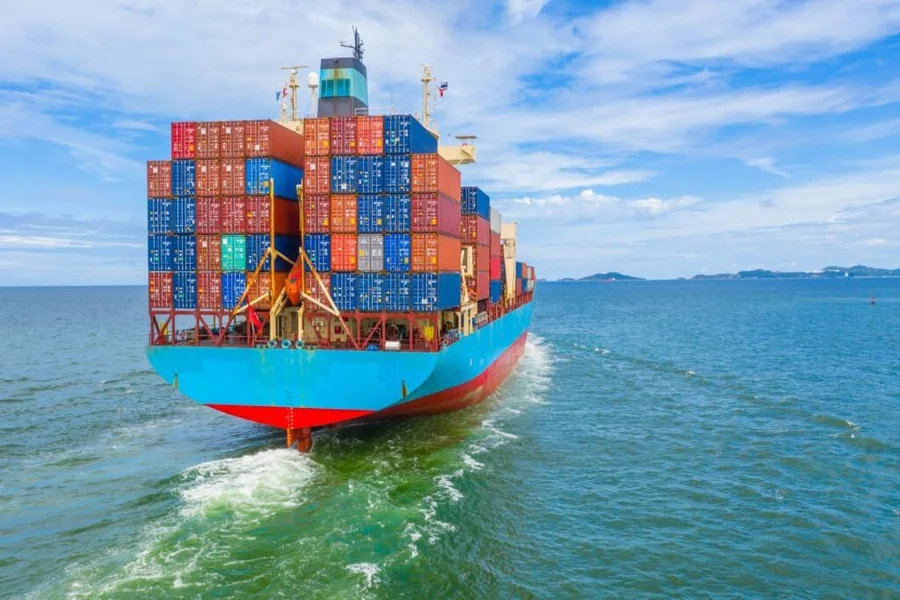
For businesses moving large amounts of goods across countries, sea shipping still gets the job done — and without breaking the bank. It might not be the fastest method, but it’s one of the most reliable and cost-friendly, especially when you’re dealing with heavy or oversized cargo. If you’re shipping regularly or in bulk, sea freight often makes more sense than air.
Full Container or Shared Space?
When booking sea freight, you usually choose between Full Container Load (FCL) and Less than Container Load (LCL). FCL means you get the whole container to yourself — it’s great if you have enough goods to fill it or want the extra privacy and security. LCL is where you share a container with other shipments, which makes sense for smaller loads but can come with longer handling times.
Not sure which to go for? Think about your shipment’s size, budget, and how fast it needs to get there. If timing and minimal handling are top priorities, FCL might be worth it.
Timeframes Aren’t Always Exact
Shipping by sea isn’t something you can rush. Depending on the route and destination, your shipment could take anywhere from a couple of weeks to more than a month. And that’s not even counting potential delays from bad weather, port backlogs, or customs checks.
If your delivery needs to arrive by a specific date, always build in buffer time. A little wiggle room can save you from big headaches if something holds up the vessel.
How You Pack Can Make or Break It
When you’re shipping across oceans, don’t cut corners with packing. Your goods could be in transit for weeks, facing bumpy seas and multiple container movements. Use sturdy boxes, proper cushioning, and make sure everything is tightly packed to prevent shifting.
Moisture is another factor — sea containers often deal with humidity and salt air. Waterproof wrapping, sealed plastic bags, and moisture absorbers like silica gel can all help protect your goods during the trip.
Know What You’re Paying For
Sea freight quotes can look affordable at first glance, but extra charges can sneak in if you’re not careful. These might include port handling fees, customs processing, container storage, and even inland transportation.
Ask your freight provider to break everything down. Transparency upfront can help you budget properly and avoid surprise fees later on. That’s especially true when working with affordable options for sea freight services, where clarity is just as important as cost.
Customs Forms Aren’t Just Paperwork
Every international shipment has to clear customs, and that means correct paperwork is a must. Missing or incorrect documents can cause delays or fines — or even result in your goods being held at port.
You’ll need documents like a commercial invoice, packing list, and any required permits or certificates. If that sounds overwhelming, a licensed customs broker can take care of the details for you. They’ll know exactly what’s needed based on the type of cargo and destination.
Choosing a Freight Company That Has Your Back
There’s no shortage of shipping providers out there, but they’re not all the same. Some are very hands-on and guide you through the whole process. Others just hand over a booking number and leave the rest to you.
So how do you choose? Ask about their experience with your type of cargo. Do they offer tracking updates? Can they help with customs? Look for signs that they’re communicative and reliable — not just the cheapest on the list. After all, delays and lost cargo cost more in the long run.
Insurance Is Worth the Small Extra Cost
Things can go wrong on long sea journeys. Cargo can get damaged, lost, or delayed — and while it’s not common, it’s definitely possible. That’s why cargo insurance is a smart move.
Check if your shipping provider offers insurance or if you should arrange it separately. It usually covers theft, loss, and damage, giving you peace of mind for just a small fraction of your total shipping cost.
A Few Final Tips Before You Ship
Double-check all measurements and weights. Small errors can lead to oversized charges or loading issues. Label everything clearly. And don’t forget to confirm the delivery details with whoever’s receiving the goods — missed connections at the destination port can cause costly storage fees.
Shipping by sea might sound complex at first, but once you understand the process and plan ahead, it becomes a reliable and manageable part of doing business across borders. The more prepared you are, the smoother things tend to go — and the better the chances your goods will arrive just how and when you need them.