
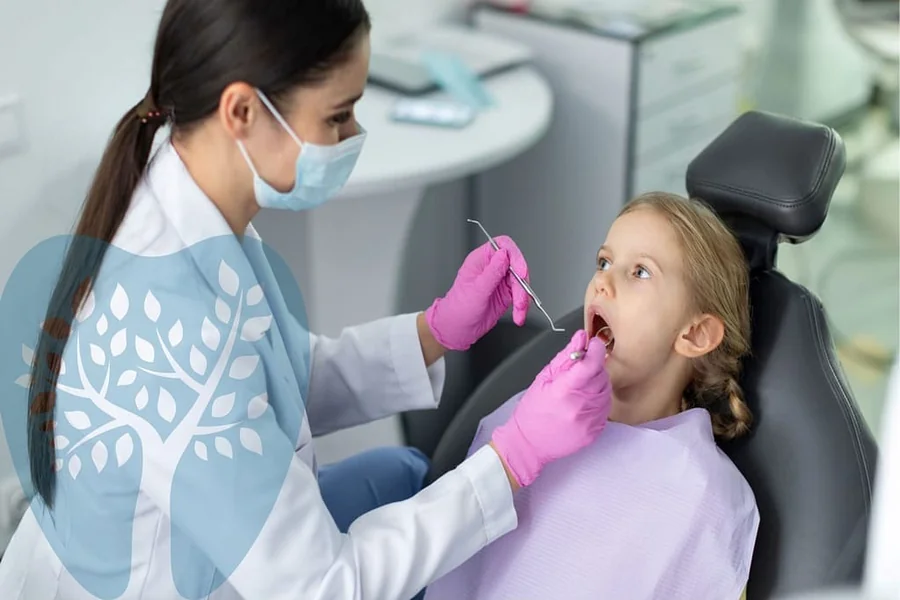
Your child’s first orthodontic evaluation can feel overwhelming, but it doesn’t need to be. This visit helps set the path for a healthy smile. The experienced dentist in North Phoenix will examine your child’s teeth alignment and jaw structure. Expect them to use simple tools to count teeth and observe how they fit together. The dentist may take X-rays for a detailed view. This helps check for any hidden issues. You might hear terms like “bite,” “spacing,” or “alignment,” but there’s no jargon here. The focus is on ensuring your child’s comfort. You will also discuss habits like thumb-sucking. This can affect teeth development. You will be informed about what comes next, whether it’s monitoring growth or starting treatment. Understanding what happens during this evaluation can ease anxiety. A calm, informed approach makes this important step easier for you and your child. Your child’s health is a shared journey.
Understanding the Process
The orthodontic evaluation process is straightforward. During the appointment, the dentist will first engage with your child to make them feel at ease. A warm, friendly interaction helps reduce any nervousness. The dental team will clearly explain each step as they examine your child’s teeth.
Initial Examination
The initial examination involves a visual check of your child’s mouth. The dentist looks for any obvious issues. This includes checking for overcrowded teeth, crossbites, or overbites. They might also look for any signs of early tooth decay or gum issues. Simple corrections at this stage can prevent more complex treatments later.
Importance of X-Rays
X-rays play a crucial role in the assessment. They allow the dentist to see beneath the surface of the gums. This helps in identifying teeth that have not yet emerged and checks the jawbone’s condition. X-rays also help in detecting any underlying dental conditions.
Discussion and Next Steps
After the examination, the dentist will discuss the findings with you. This conversation includes explaining any identified issues and the recommended course of action. You will receive clear guidance on managing your child’s dental health. Whether it involves routine monitoring or beginning orthodontic treatment, you will have a plan in place.
Common Orthodontic Issues
| Issue | Description
|
|---|---|
| Overcrowding | Occurs when there is not enough space in the mouth for all teeth to fit normally. |
| Overbite | Happens when the upper front teeth overlap the lower front teeth significantly. |
| Underbite | The lower teeth extend beyond the upper teeth. |
Role of Early Detection
Early detection of dental issues is invaluable. According to the American Dental Association, addressing these problems early can lead to more effective treatment. It may reduce the need for more serious interventions down the line.
Preventive Care Tips
- Encourage regular brushing and flossing.
- Limit sugary snacks and drinks.
- Schedule regular dental check-ups.
Communication is Key
Keep an open line of communication with your child about their dental visits. Prepare them by explaining what to expect. This helps make the experience positive and stress-free. Your involvement is key in making dental care a part of their routine.
Conclusion
Understanding what happens during your child’s first orthodontic evaluation empowers you and your child. It is a step towards ensuring a healthy smile. By knowing what to expect, you can support your child through this important journey. Remember, proactive dental care today leads to healthier smiles tomorrow. Consider visiting reputable sources like the Centers for Disease Control and Prevention to learn more about maintaining dental health.