
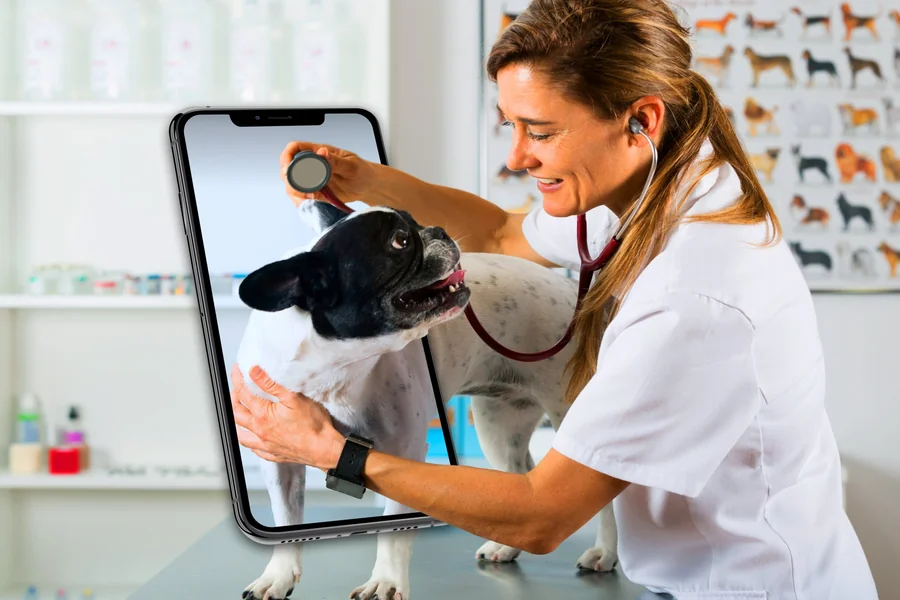
Telemedicine is changing veterinary care. You, as a pet owner, can now connect with a veterinarian in Boise, ID with ease. This modern approach offers quick advice, saves time, and reduces stress for both you and your pet. Imagine not having to rush to a clinic for every concern. Instead, you can consult experts from home. Telemedicine also helps in managing ongoing conditions, allowing for more frequent check-ins and timely guidance. No longer limited by geography, you access specialized care even if you’re miles away. It is important to recognize that not every situation suits a virtual visit. Emergencies or complex cases still need face-to-face assessments. Yet, for many routine queries, telemedicine offers a practical solution. With technology at our fingertips, veterinary care becomes more accessible. This shift ensures more pets receive the attention they deserve, leading to healthier, happier lives. Embrace this change for better pet care today.
How Telemedicine Works For Pet Care
Telemedicine in veterinary care allows you to connect with veterinarians through video calls, phone consultations, and sometimes online chats. You schedule an appointment much like you would for an in-person visit. Instead of traveling, you meet the vet virtually. During the session, you discuss your pet’s symptoms and behaviors. Vets may ask you to show your pet through your camera, check specific areas, or perform simple actions with your pet to assess their condition.
Benefits of Telemedicine
- Convenience: No need to travel. Schedule a virtual appointment at a time that suits you.
- Access to Specialists: Gain access to expert advice from specialists, even if they are in different locations.
- Routine Care: Get timely advice and follow-ups for ongoing conditions without frequent clinic visits.
Limitations to Consider
- Emergency Situations: Telemedicine is not suitable for emergencies. In such cases, immediate in-person care is crucial.
- Physical Examinations: Some conditions require hands-on examination, which is not possible virtually.
When to Use Telemedicine
Telemedicine is best used for non-emergency conditions. Examples include:
- Behavioral consultations
- General advice and follow-ups
- Nutritional consultations
Telemedicine vs. Traditional Visits
| Aspect | Telemedicine | Traditional Visits |
|---|---|---|
| Convenience | High | Moderate |
| Physical Exam Capability | Limited | Full |
| Emergency Situations | Not Suitable | Suitable |
| Access to Specialists | Easy | May require travel |
Future of Telemedicine in Veterinary Care
Telemedicine continues to evolve. As technology improves, the scope of virtual care will broaden. Enhanced video quality and new tools may allow more detailed assessments. The integration of telemedicine with electronic health records can streamline your pet’s healthcare experience. This evolution promises even greater convenience and accessibility.
Case Study and Statistics
According to a report by the American Veterinary Medical Association, telemedicine in veterinary practice is an effective solution for many pet owners. A study showed that over 60% of pet owners found telemedicine helpful and efficient for routine care. These numbers reflect a growing trend towards integrating technology with traditional veterinary services.
Conclusion
Telemedicine offers a new approach to veterinary care. It provides convenience, saves time, and extends access to specialized services. While it cannot replace all traditional visits, it complements them well by addressing routine and non-urgent needs. By understanding when and how to use telemedicine, you ensure your pet receives the best possible care. As this technology grows, it will continue to reshape the way we approach veterinary care, making it more accessible and efficient for everyone.